< img height="1" width="1" style="display:none" src="https://www.facebook.com/tr?id=2367706423682221&ev=PageView&noscript=1" /> Tuning Techniques for Tongue Drums: Tools, Methods & Common Solutions
Categories

Tuning Techniques for Tongue Drums: Tools, Methods & Common Solutions

Explore effective tuning techniques for tongue drums, including mobile apps, electronic tuners, and manual adjustments. This guide offers helpful tips, troubleshooting solutions, and a real-life example to assist players of all levels in achieving perfect sound.
Dec 5th,2024 5325 Views

Tuning Techniques and Methods for Tongue Drums

Tongue drums are beloved for their ethereal tones and ease of play, but maintaining perfect sound quality requires proper tuning. Whether you’re a beginner or a seasoned player, understanding tongue drum tuning is essential. In this guide, we’ll explore effective tuning tools and methods, practical tips, and solutions to common problems, ensuring your tongue drum always delivers its best sound.

Choosing the Right Tuner for Tongue Drum Tuning

Accurate tuning begins with the right tools. Here are two common options to help you get started:
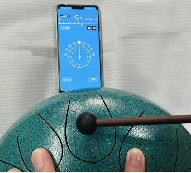
1. Mobile Tuning Apps for Tongue Drums

How to Use:

  • Open your phone’s app store (Apple, Android, Huawei supported).
  • Search for "instrument tuner" and download a highly rated app.
  • Select a tuner that supports 12-tone equal temperament, the standard for most tongue drums.
  •  Tongue Drum Tuner

Tips for Accuracy:

  • While tuning, hold down adjacent tongues to prevent resonance that could distort results.
  • Align the drum with your phone’s microphone to ensure it captures clear, accurate tones.

2. Electronic Tuner for Tongue Drums

Electronic tuners offer precision and portability, making them ideal for frequent tuners or those who prefer a dedicated device. Simply strike a tongue and position the tuner near the drum to get an instant reading.
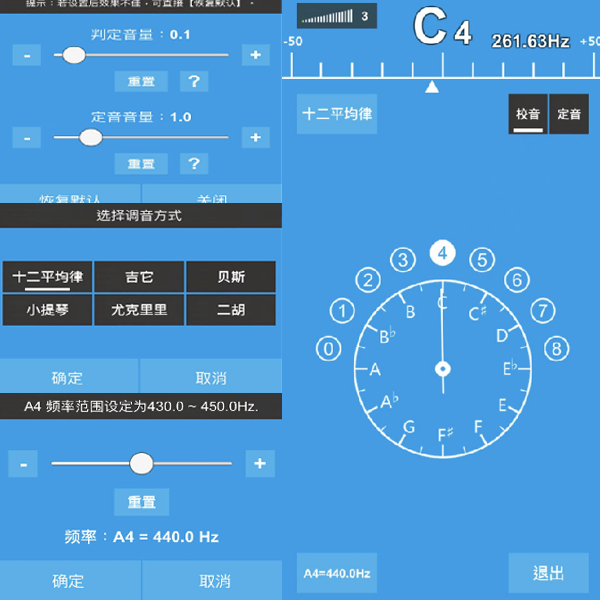
           Analysis of the mobile phone APP tuner interface

How to Tune Your Tongue Drum

Tuning a tongue drum involves fine adjustments to each tongue. Below are two commonly used methods:

1. Manual Tuning

Manual tuning is ideal for significant pitch adjustments.

  • Use a rubber mallet to gently strike the tongue, producing a clear tone.
  • Measure the pitch using a tuner and make the necessary adjustments:
    • If the pitch is too low: Trim the tongue slightly or bend the edge upward.
    • If the pitch is too high: Add weight (e.g., magnets) to the underside of the tongue to lower the pitch.

Pro Tip: Make small adjustments and recheck the pitch frequently to avoid overcorrections.

2. Magnet-Based Tuning

Using magnets is one of the safest and most effective ways to adjust pitch, especially for beginners.

  • Attach a small magnet underneath the tongue to lower the pitch.
  • Adjust the magnet’s position: closer to the edge raises the pitch, while closer to the center lowers it.

Tips for Using Mobile Apps to Tune Tongue Drums

  • Prevent Resonance: Hold down unused tongues to eliminate interference while measuring.
  • Microphone Alignment: Ensure the drum’s sound is directed toward your phone’s microphone for accurate readings.
  • Quiet Environment: Tune in a quiet space to minimize background noise that could affect results.

Common Issues in Tongue Drum Tuning and Solutions

Problem Cause Solution
Large Pitch Deviations Wear or deformation of the tongues Use manual tuning for precise adjustments or consult a professional.
Persistent Inaccuracy Low-quality tuning app or tool Try a different tuning app or upgrade to a higher-quality electronic tuner.
Magnet Won’t Stay in Place Magnet size/weight is inadequate Ensure the magnet is securely attached, or replace it with one of appropriate size and weight.

Tone Accuracy & Testing

Standards for Tone Accuracy

  • Steps for Tone Testing 
  • Whole tone: 200 cents ≈ 12.25% deviation
  • Half tone: 100 cents ≈ 6% deviation
  • Deviation within ±5 cents: Excellent
  • Deviation within ±9 cents: Very Good
  • Deviation within ±13 cents: Good
  • Deviation above ±18 cents: Fair
  • Deviation above ±25 cents: Poor
  • Deviation above ±50 cents: Not Accurate

Steps for Tone Testing

  1. Identify the note: Use a tuner to find the name and octave of the note. For example, the first note in the C major scale corresponds to C4.
  2. Confirm frequency: Refer to a frequency chart to check the standard frequency for the note. For instance, C4 = 262Hz. Use the tuner to ensure the frequency displayed is close to 262Hz.
  3. Check cents deviation: Use the tuner to measure the deviation in cents. If the deviation is within ±8 cents, the tone is considered excellent.

Summary: During testing, first confirm the note, then verify its frequency, and finally measure its deviation in cents to assess tone accuracy.

Conclusion: Take Control of Your Tongue Drum’s Tuning

Tuning your tongue drum may seem challenging at first, but with the right tools and techniques, it becomes a rewarding skill. Whether using mobile apps, electronic tuners, or magnets, you’ll discover that each adjustment enhances your instrument’s sound.

Start tuning your tongue drum today and elevate your music to new heights—because every perfectly tuned note brings your melodies to life!

Product Recommendation


HLURU Microalloyed Steel Tongue Drum 14 Inch 15 Notes


Huashu STEEL TONGUE DRUM Thf Square Tongue Drum (11notes 12")


Huashu STEEL TONGUE DRUM Lotus Children Drum (8notes 6")

To be A Dealer

If you have any queries, get in touch today! Don't hesitate. We try to take the extra step for our customer satisfaction.
Your Name*
Your Company*
Email*
WhatsApp number or phone number*
Message*
We use Cookie to improve your online experience. By continuing browsing this website, we assume you agree our use of Cookie.